


A local story can disappear when people assume it will be remembered. An old shop closes, a route changes, a festival loses a familiar tradition, or a resident’s account remains in a notebook few people read. Turning that material into a song gives a class, youth group, or cultural association a way to explore it. AI Song can transform a written theme or lyrics into music, but work begins before generation. Participants must choose a story, separate fact from imagination, and decide what listeners should notice. The result is not an archive replacement. It is a doorway into local memory.
Choose a Story Small Enough to Tell Clearly
A community is too large for one song. Begin with a person, place, object, or event that can be described through specific details. A class might focus on the morning routine at a former railway station. An association could collect memories of a market square before it was renovated. A youth group might document the path children once walked to school.
The topic should have sources. These may include interviews, photographs, newspaper reports, letters, maps, or objects. Ask what is known, what is remembered, and what remains uncertain. This prevents the song from turning history into a neat but inaccurate story.
Three Stages for Building the Song Responsibly
1. Collect Details Before Writing Lyrics
Start with observation and questions. If the project concerns an old cinema, note the entrance, ticket booth, seats, street outside, and what happened after the final screening. Interview people who remember different periods. One person may recall family outings, while another remembers working there or attending a public meeting.
Record exact facts separately from personal memories. Dates and names may be checked against documents. Feelings and impressions should be attributed to the people who shared them. Students can create a table with three columns: confirmed fact, remembered detail, and creative possibility. This simple separation makes later writing more honest.
2. Turn Research Into Images and Actions
Lyrics become stronger when they show something happening. “Our town has changed” is true but general. “The last bus passed the shuttered bakery” gives the listener a scene. Ask participants to underline nouns and verbs in their notes. Doors close, bells ring, snow covers a sign, workers cross a bridge, or families wait beside a platform.
Choose a narrator. The song could speak through a student today, an imagined object, or a fictional person based on several accounts. If the narrator is invented, say so in the project description. The song may combine real details creatively, but it should not present invented dialogue as a verified quotation.
3. Review the Song With the Community
Before finalizing the music, share the lyrics with people who know the subject. Ask whether the details feel recognizable and whether anything important has been simplified unfairly. A song cannot include every perspective, but it should not erase disagreement or turn hardship into decoration.
Then generate and compare musical versions. Listen for whether the mood supports the story. A cheerful arrangement may work for childhood memories but feel wrong if the lyrics also discuss loss. A reflective track does not need to be slow or sad; it can include movement while leaving space for the words.
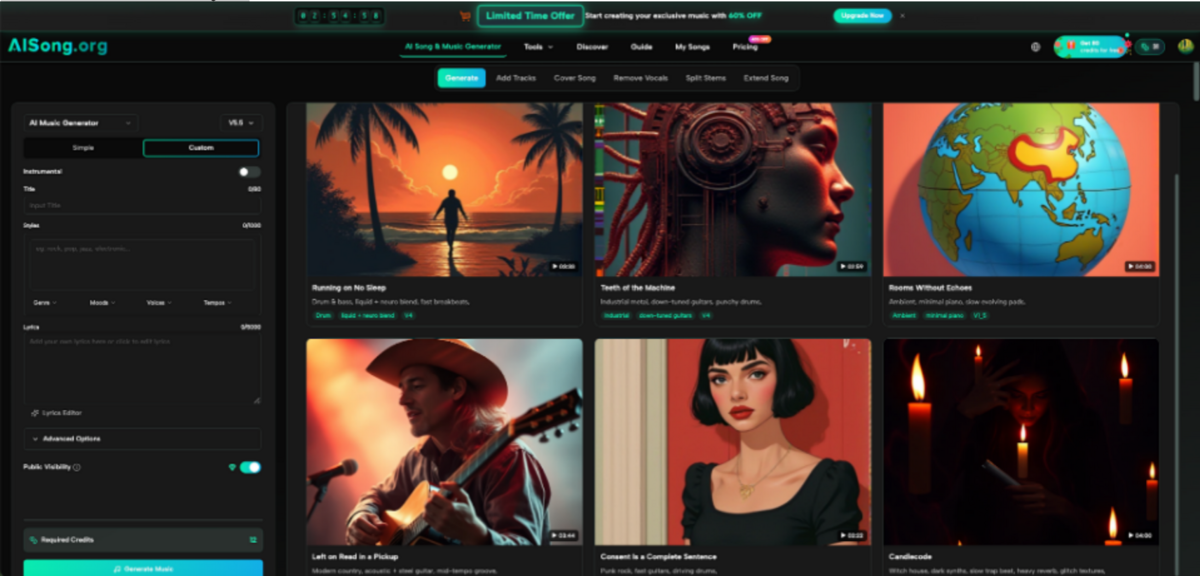
Use Simple Mode for Exploration and Custom Mode for Authorship
Simple Mode is useful at the beginning when a group wants to hear possible directions. A prompt can describe the story, period, mood, and intended audience. For example: “Reflective folk-inspired song about a mountain bus route remembered by several generations, warm but not sentimental, clear vocal and gentle rhythm.”
The first result can start a discussion. Students may notice that the style feels too distant from the place, or that the energy makes the story sound like a celebration. They can revise the description and explain why. This turns generation into an exercise in interpretation rather than a button pressed at the end.
Custom Mode is more suitable once the group has written lyrics. Participants can enter their own words and use structural labels for sections such as verses and chorus. The AI Music Generator then becomes a way to hear how those words behave as a song. Lines that looked good on paper may be difficult to sing, too long, or repeated in the wrong place. Listening exposes these problems quickly.
Write a Chorus That Carries One Main Idea
Community projects often overload the chorus with facts. A chorus works better when it carries one main idea that listeners can remember. Dates, explanations, and names can appear in verses or in the article, exhibition, or presentation that accompanies the song.
Suppose students are writing about a bridge that connected two neighborhoods. The chorus might focus on crossing, meeting, or seeing the river change through the seasons. Verses can describe construction, daily journeys, repairs, and memories. The repeated section gives those details a shared meaning without trying to summarize the entire history.
Read the chorus aloud as a group. Remove formal phrases that no one would naturally say. Keep images that belong to the place. A local expression may add character, but explain it in accompanying material if outside listeners may not understand it.
Make the Project Useful Beyond the Final Track
The song should be one part of a broader piece of work. A school could publish the lyrics beside interview excerpts and scanned photographs. An association could play the track during a small exhibition and provide notes about the sources. A local library might host a listening session where residents add corrections or new memories.
This surrounding material shows how the song was made. It also prevents creative decisions from being mistaken for historical evidence. List interview dates, document sources, and the names of participants who agreed to be credited. When someone prefers not to be identified, respect that choice and describe the source more generally.
The project can also produce a short video. Use images only when permission is clear, and label reconstructed or imagined scenes. Music may make the story emotionally accessible, but captions and source notes provide context. Together, they allow listeners to enjoy the song and continue learning.
Avoid Common Problems in Local Storytelling
The first problem is nostalgia that removes difficult details. A song about a former industry should not present every memory as happy if residents also experienced unsafe work, closure, or disruption. The second problem is treating one interview as the voice of everyone. Different memories may conflict, and the project can acknowledge that.
Another problem is using broad regional clichés instead of evidence from the place. Mountains, traditions, and “simple life” may sound attractive, but they say little without particular people and actions. Use details found in the research rather than images added only because they seem local.
Finally, avoid making the generated music the center of the lesson. The main skills are asking questions, checking sources, writing clearly, listening to feedback, and revising. AI helps participants hear one interpretation of their work. It should not decide which history deserves to be told.
Conclusion
A community song succeeds when it encourages listeners to look more closely at a real story. Begin with a subject, check facts before writing, and use concrete images instead of broad claims. Simple Mode can help a group explore musical interpretations, while Custom Mode lets participants hear and revise their own lyrics. The final track should remain connected to interviews, documents, photographs, and clear source notes. Keep the source notes beside the finished track so future listeners can follow the story further. Choose one local place or memory, gather three reliable details, and use them to begin a project that invites conversation rather than pretending to give the final word.
Informazioni fornite in modo indipendente da un nostro partner nell’ambito di un accordo commerciale tra le parti. Contenuti riservati a un pubblico maggiorenne.